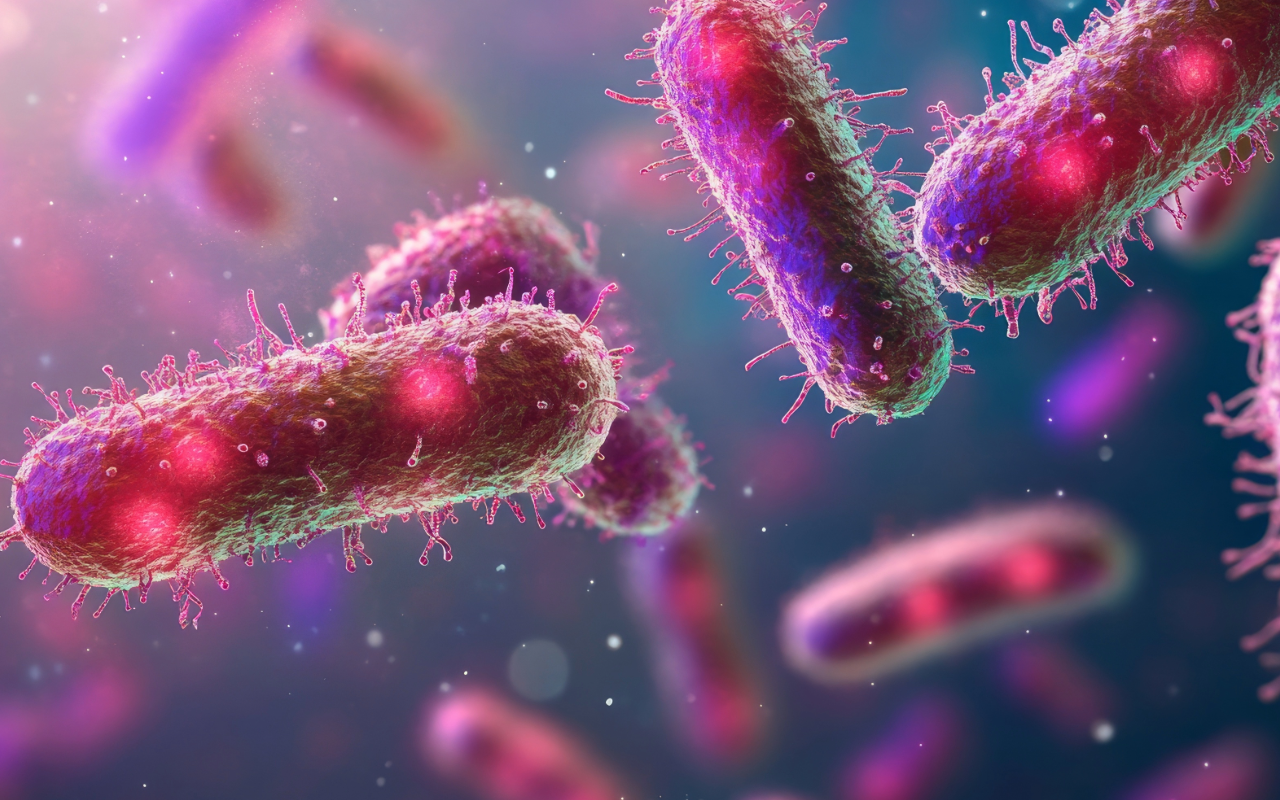
Antimicrobial resistance (AMR) is one of the biggest problems affecting the future of both human and animal medicine.
The WHO (World Health Organisation) classifies AMR as a major global public health crisis that makes infections harder to treat and puts routine procedures at risk.
What is AMR?
Antimicrobial resistance occurs when bacteria, viruses, fungi and parasites no longer respond to antimicrobial medications. This makes infections more difficult to treat and increases the risk of disease. Antibiotics treat bacterial infections, and these are our main concern, although dewormers and flea/tick treatments are also concerning.
In fact, it was estimated that AMR directly caused almost 2 million global fatalities in 2019.
When do we use antimicrobials in veterinary medicine?
Antimicrobials will only be dispensed following a consultation and examination of the patient. By law, an animal must be under our care and have been examined recently to dispense these treatments.
Where possible, we try to manage some conditions with topical treatment before reaching for an antimicrobial/antibiotic. This may include liquid cleansers, ointments, washes, wipes etc.
If we do have to use oral antimicrobials it is important that we, as medical professionals, clearly explain how to use medication and that the entire course of treatment is completed. Part of this is also taking into account individual patient and care giver needs.
At Elston Veterinary Clinic we have a policy on the appropriate use of antibiotics, and it is with these guidelines that we treat infections specifically and avoid the encouragement of resistance amongst the microbe population.
And Finally…One Health
This is an initiative where human health, animal health, food production and environmental sectors work together to reduce the use of anti-microbials and encourage evidence-based use of appropriate drugs.
Eventually, we hope that by reducing the inappropriate use of antimicrobials/antibiotics we can reduce the amount of resistant bacteria and treat infections more effectively.
For more information on Antimicrobial Resistance visit Woah.org
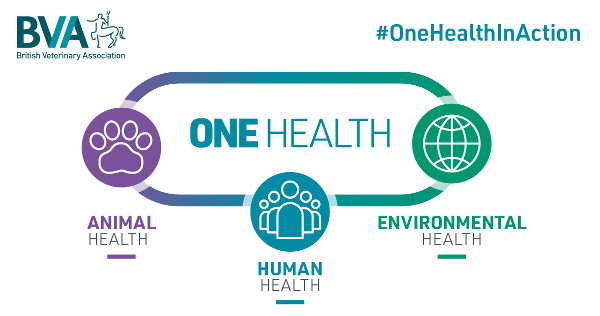
And Finally…One Health
This is an initiative where human health, animal health, food production and environmental sectors work together to reduce the use of anti-microbials and encourage evidence-based use of appropriate drugs.
Eventually, we hope that by reducing the inappropriate use of antimicrobials/antibiotics we can reduce the amount of resistant bacteria and treat infections more effectively.
For more information on Antimicrobial Resistance visit Woah.org
Join Us in Creating More Sustainable Pet Care
If you’d like to register your pet with a veterinary practice that takes sustainability seriously, we would love to welcome you.
Whether you’re interested in our risk-based parasite control approach, environmentally responsible treatments, or simply want to learn more about sustainable veterinary care, our team is here.
👉 Register your pet today or call 01980 621 999 to speak to Elston Veterinary Clinic about how we can support your pet’s health while reducing environmental impact.