Most of us want to do the best for our pets – and for the planet. Eco-friendly pet care (or “green pet ownership”) means looking after your pet’s health and happiness while making choices that reduce waste and pollution, and supporting local, responsible and animal-friendly businesses.
It’s not about being perfect. It’s about lots of small, practical changes that still give your pet great care, while being a little kinder to the environment.
What do we mean by “eco-friendly pet care”?
Eco-friendly pet care is about finding the balance between great veterinary care and thoughtful daily choices. You don’t need to change everything overnight – start with the areas that feel easiest for you and your pet.
1. Choose green pet products
Everyday items like food, toys and bedding are a good place to start.
Food & treats
- Look for brands that use responsibly sourced ingredients and clear labelling.
- Avoid lots of single-use plastic packaging where possible.
- Try to buy the right bag size – too small and you’re always driving to the shop; too big and it may go stale or be wasted.
Toys & accessories
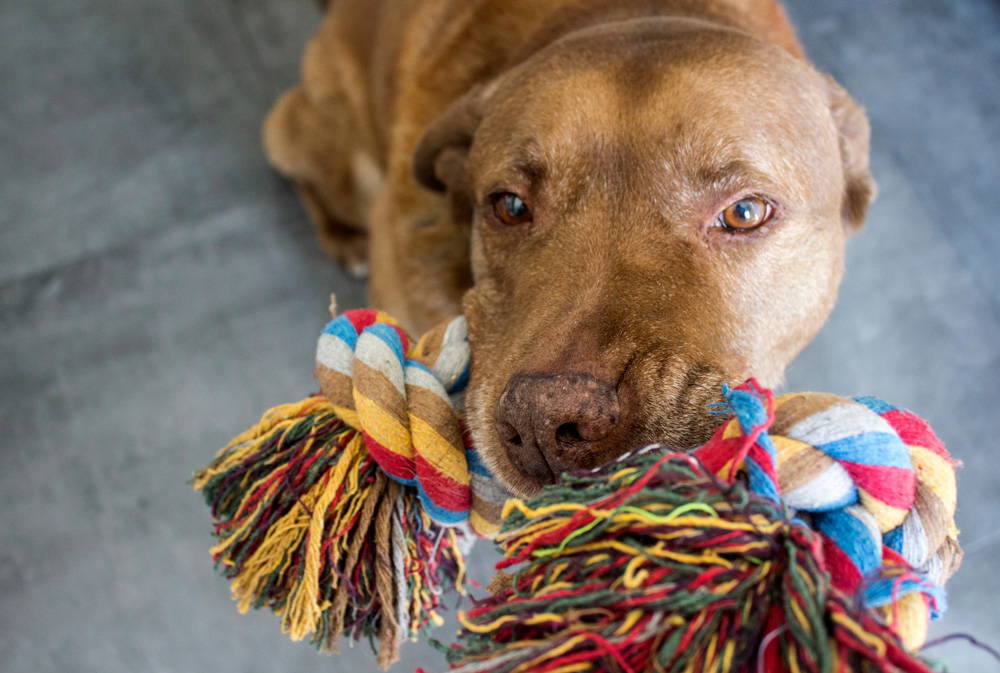
- Choose durable toys instead of cheap ones that break quickly.
- Try toys made from natural or recycled materials (for example rope, rubber, wood, or recycled fabrics).
- Repair or rotate toys rather than constantly replacing them.
Beds & bowls
- Pick long-lasting beds and bowls, not flimsy versions that need replacing often.
- When you do upgrade, donate usable items to local rescues or shelters if possible.
2. Reduce “pet plastic” and everyday waste
Pets don’t have to mean overflowing bins. Small changes to your routine can make a difference.
Poo bags & litter
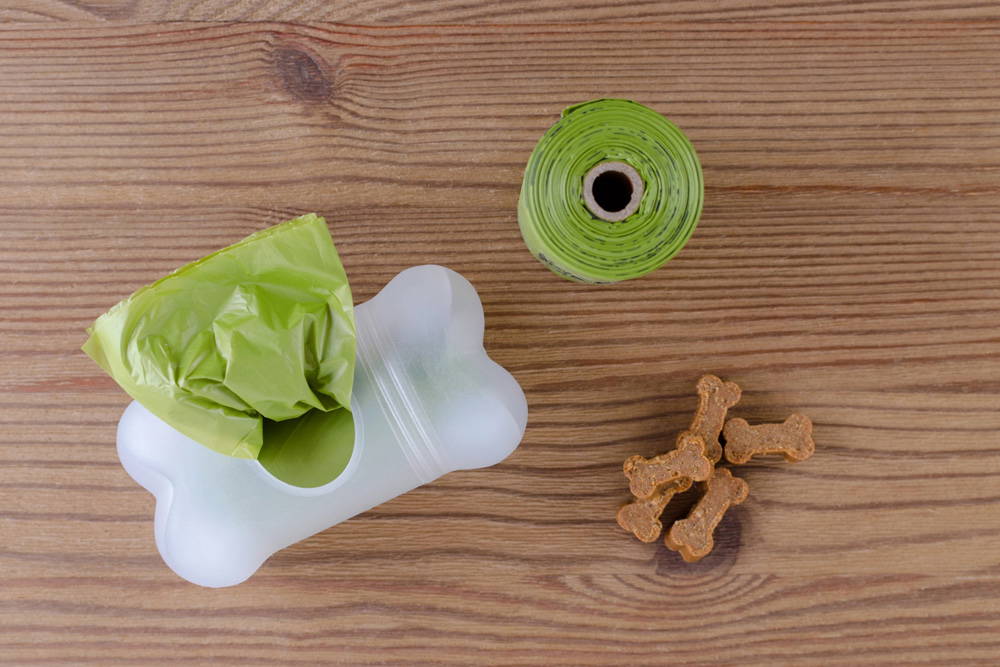
- Use compostable or biodegradable poo bags, and avoid double-bagging if you don’t need to.
- For cats and small pets, look for plant-based litter such as wood or paper instead of non-degradable options.
Refills & bulk buying
- Buy larger refill packs of food or litter where it makes sense, to reduce packaging.
- If available, use refill stations for treats or kibble and take your own containers.
Reuse where it’s safe
- Old blankets and towels can often be reused as bedding or carrier liners.
- Donate spare leads, bowls and beds to local charities if they’re still in good condition.
3. Eco-friendly parasite control & healthcare
Health always comes first, but you can still make more eco-conscious choices by planning ahead and avoiding waste.
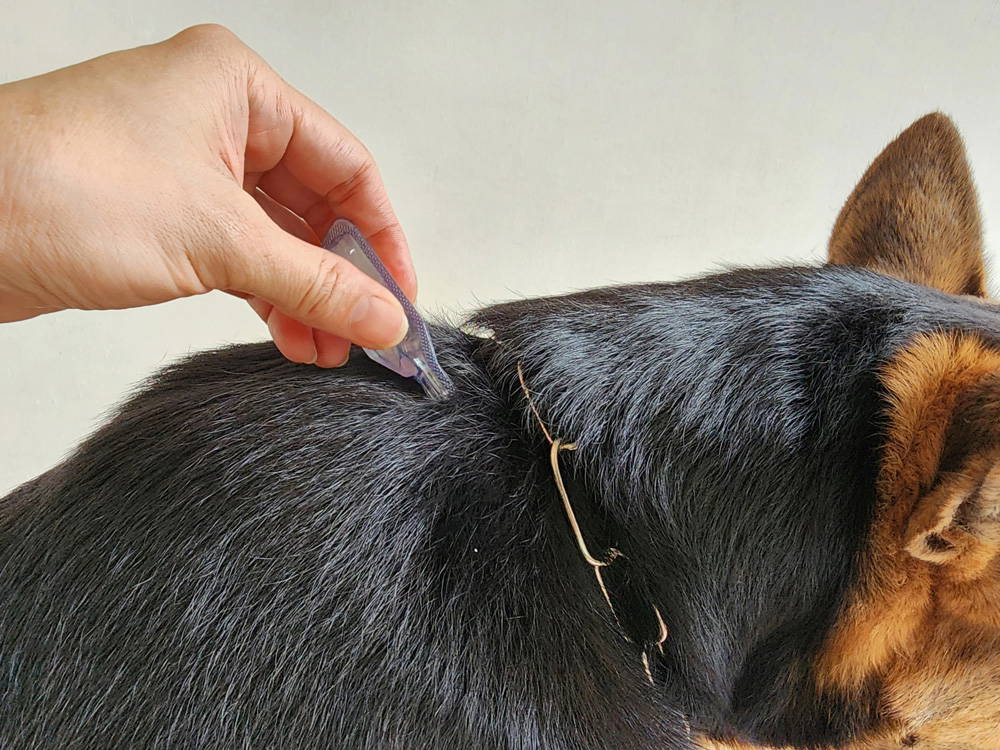
- Work with your vet on a tailored parasite plan (fleas, ticks, worms) instead of over-treating “just in case”.
- Use vet-recommended products at the correct dose to avoid ineffective treatments and wasted medication.
- Always dispose of unused or expired medication safely via your vet or pharmacy – never down the sink or in household rubbish.
- Keep up with routine check-ups and vaccinations – preventing disease is almost always kinder, and often lower impact, than treating emergencies later.
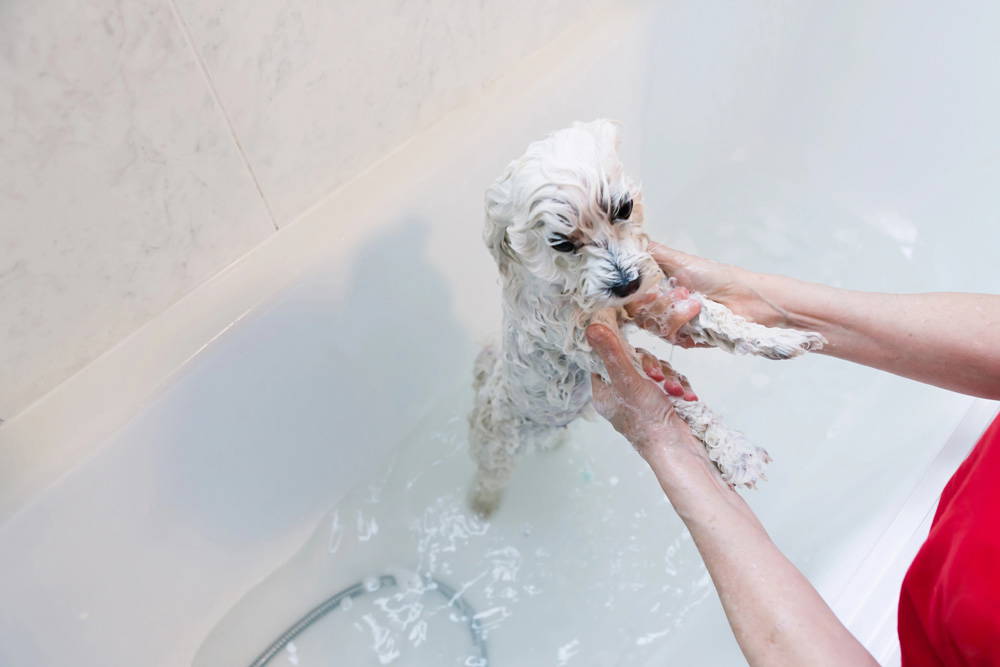
4. Greener grooming and skin care
Bath time and itchy skin care are another chance to make gentler choices for pets and the environment.
- Choose mild, vet-approved shampoos with fewer harsh chemicals where possible.
- Use the recommended amount – more bubbles doesn’t mean cleaner fur.
- Avoid washing pets directly in streams, lakes or ponds where shampoo residues can harm wildlife.
- For itchy pets, speak to your vet about targeted treatment rather than trying lots of different products that may not help.

5. Travel, walking and your pet’s “carbon pawprint”
How you get around with your pet can also affect your environmental impact.
- Walk from home when you can, rather than always driving to a walk.
- Combine vet visits and errands into one trip where possible.
- Use public transport or car-sharing when it’s practical and safe for your pet.
- If you’re travelling abroad with your pet, plan ahead so you don’t need extra last-minute journeys for paperwork or vaccines.
For many pets, more local walks and enrichment at home are not only greener, but also better for their stress levels and routine.
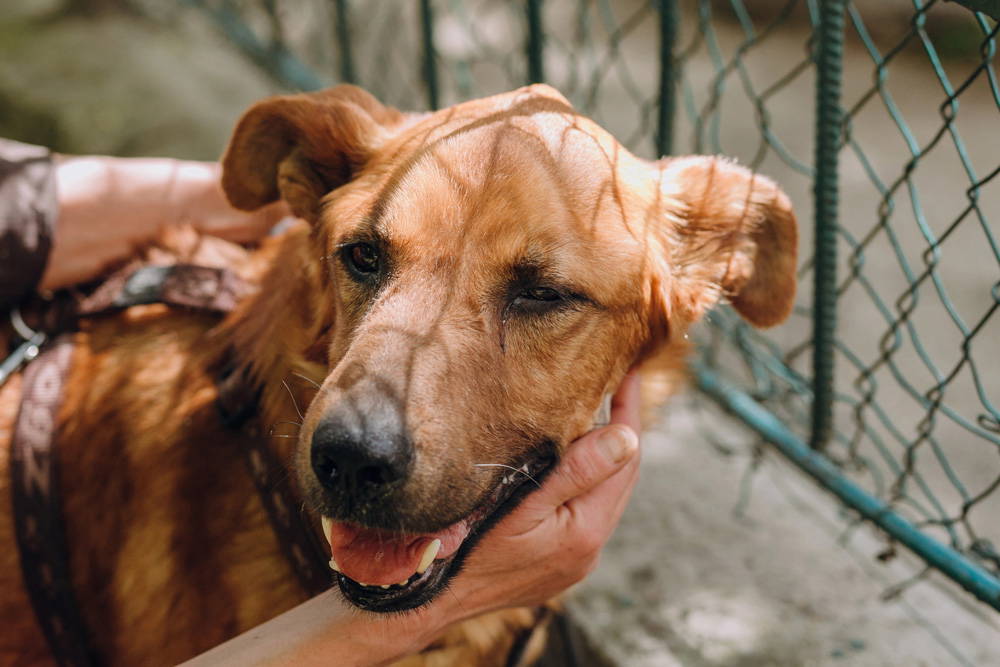
6. Adopting, rehoming and choosing the right pet
If you’re thinking about adding a new pet to the family, your choices can have an environmental impact too.
- Consider adopting from a reputable rescue, where appropriate, rather than buying from large-scale breeders or online ads.
- If you use a breeder, choose one who is responsible, welfare-focused and happy to answer questions.
- Make sure you choose a species and breed that fits your lifestyle so you can give long-term, stable care.
A well-matched pet, cared for throughout their life, is one of the most important aspects of truly “green” pet ownership.
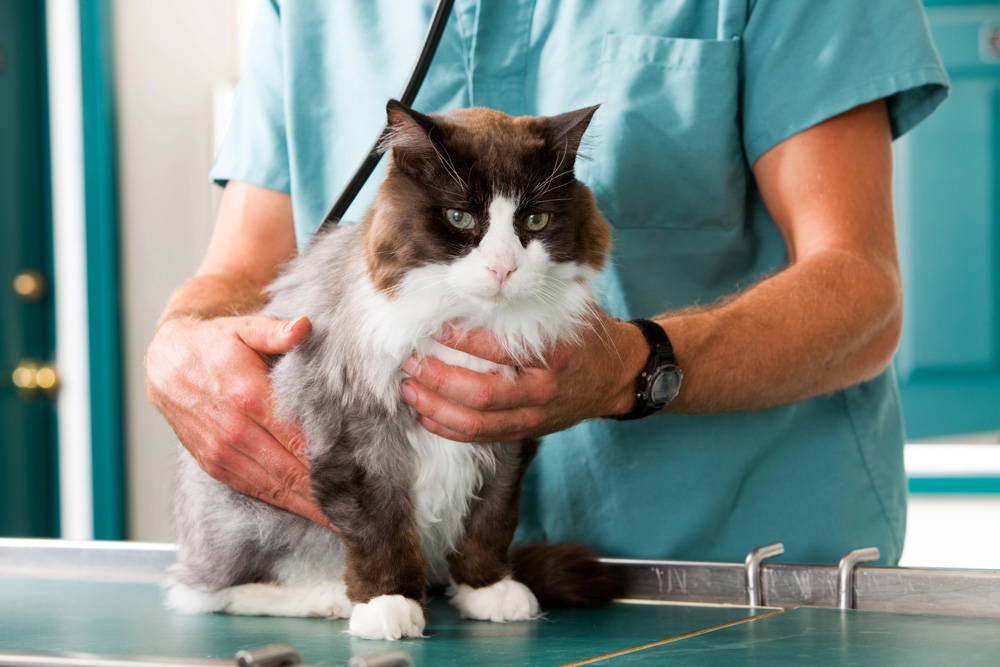
7. How your vet can help you be a greener pet owner
You don’t have to make these decisions alone. Our team are always happy to help you find a balance between excellent medical care and eco-friendly choices.
- Create a health plan that avoids over-treating but still keeps your pet protected.
- Choose effective, good-value products from reputable suppliers.
- Plan preventative care (vaccinations, parasite control, weight checks) so problems are caught early.
- Talk through ways to reduce waste (medications, food, packaging) without compromising your pet’s health.
Talk to us about greener pet care
If you’d like to talk about greener pet care choices for your dog, cat or small pet, our team is happy to help. Get in touch to book a health check or ask for eco-friendly pet care advice tailored to your pet.